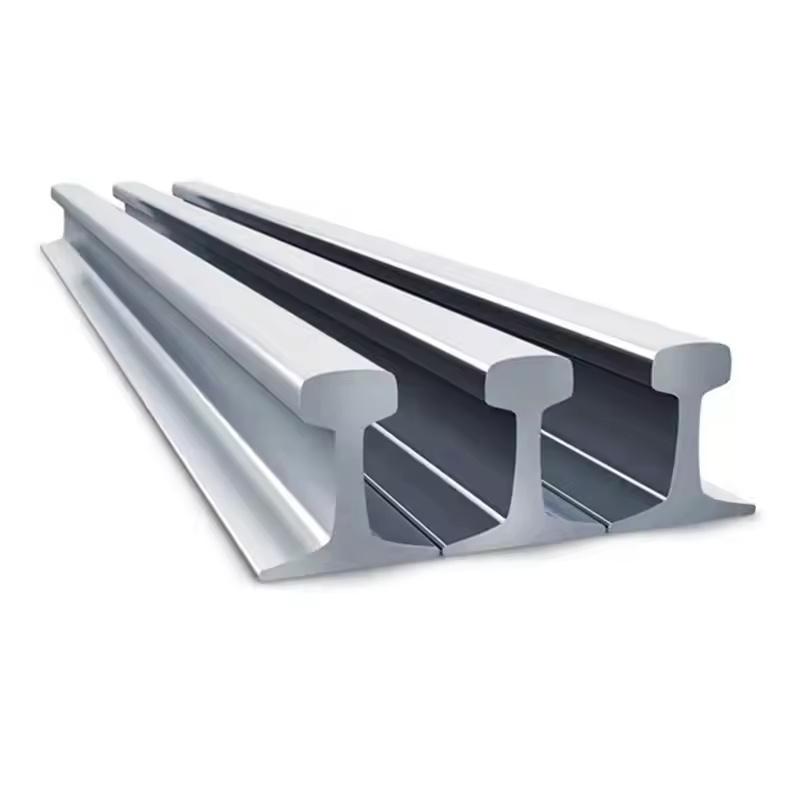
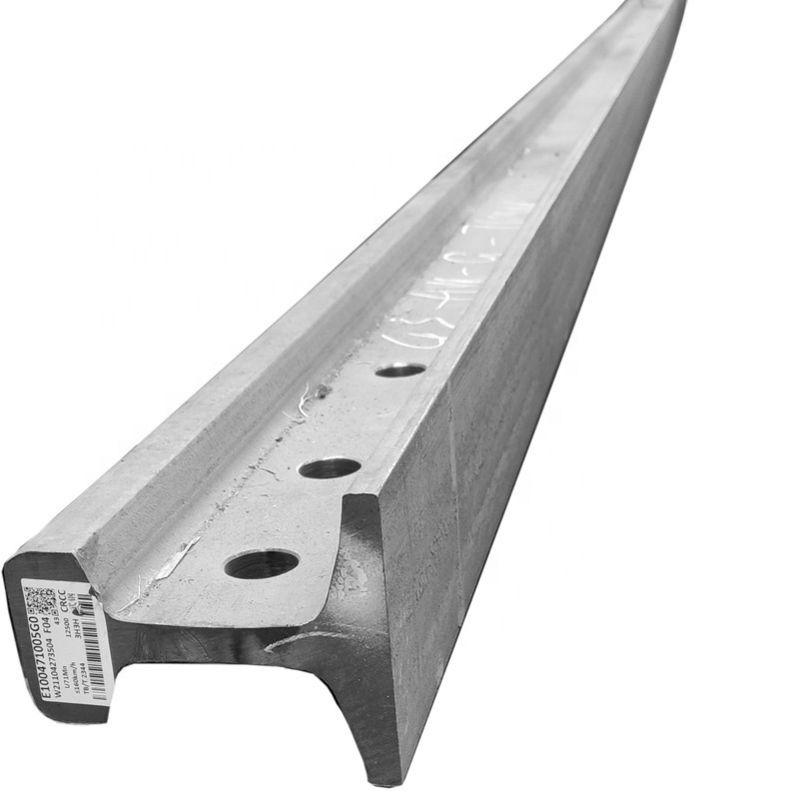
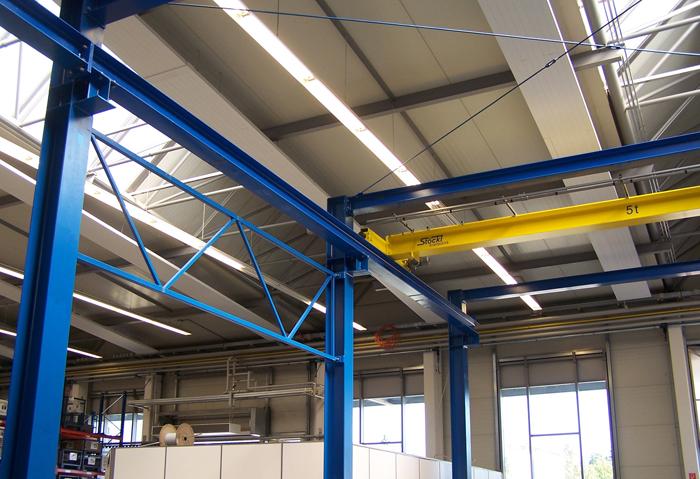
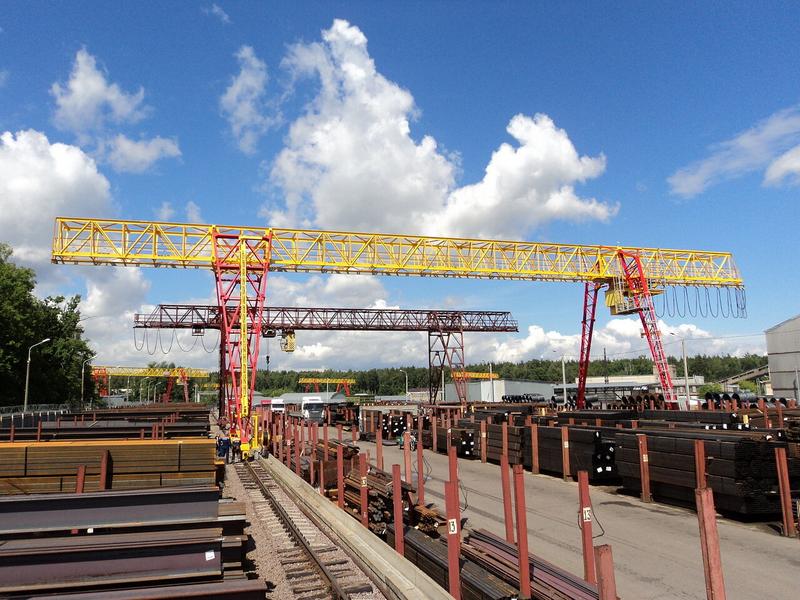
Steel Rails are engineered steel sections designed to create stable travel paths for cranes, transfer equipment, industrial vehicles, and other rail-mounted systems. Their characteristic profile provides a strong wheel-contact surface while supporting efficient force transmission, making them suitable for projects that demand dependable operation under repeated loading.
Available in a variety of profiles, grades, unit weights, and lengths, our rail products can be specified for crane runway systems, steel structure plants, production lines, loading facilities, industrial yards, mining operations, and infrastructure works. We support drawing-based selection, project quantities, required-length cutting, selected fabrication, export packing, and coordinated steel material supply for international customers.
| Availability: | |
|---|---|
| Quantity: | |
ZSJH
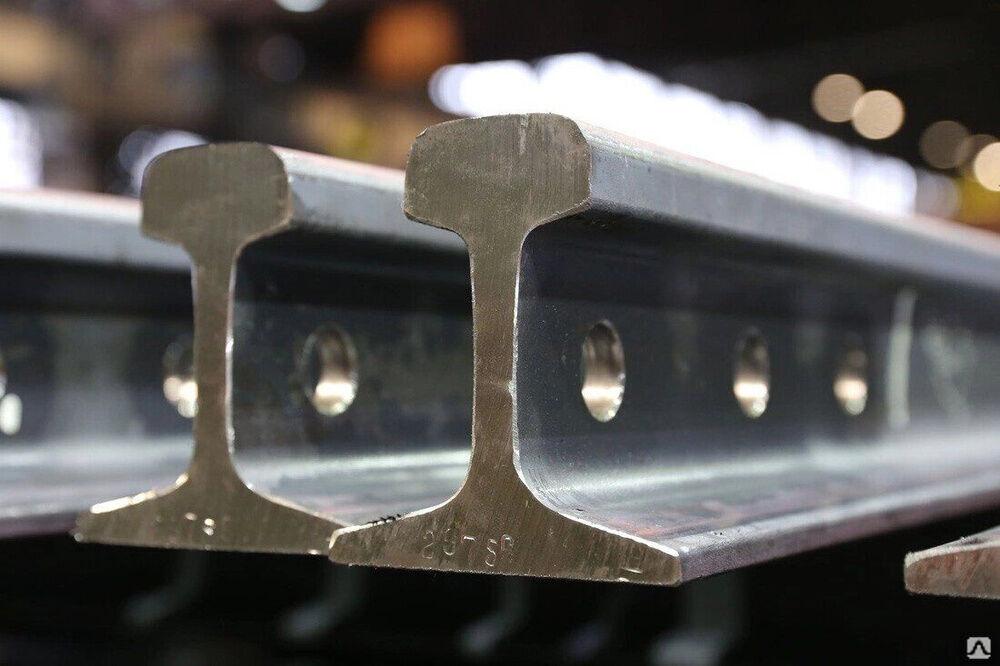
Steel Rails are precision-formed steel sections used to build controlled travel paths for cranes, transfer carts, industrial vehicles, material-handling equipment, and other rail-guided systems. Their distinctive head-web-base geometry is designed to combine wheel-contact stability, sectional rigidity, and efficient load transfer within the complete track structure.
In engineering procurement, rail performance depends on more than nominal size. Rail profile, material grade, mass per meter, wheel pressure, duty cycle, support spacing, fastening arrangement, alignment requirements, and service environment should be considered together when selecting a suitable product.
Our supply program covers steel rails for structural steel buildings, crane travel systems, factory production lines, industrial yards, logistics facilities, ports, mining operations, and engineering infrastructure, with specification-based supply for both project and distribution orders.
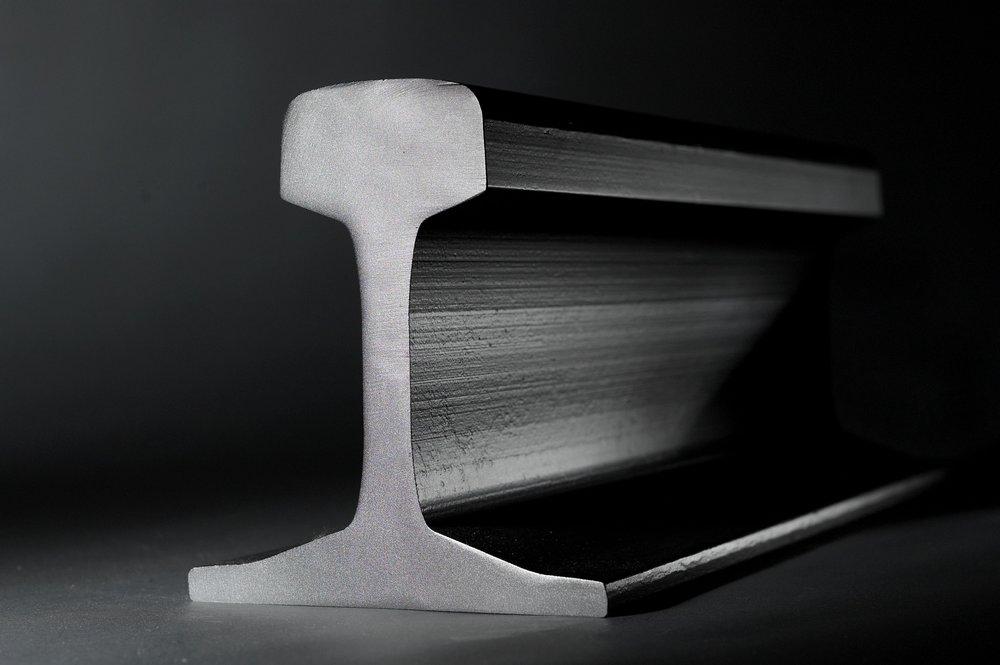
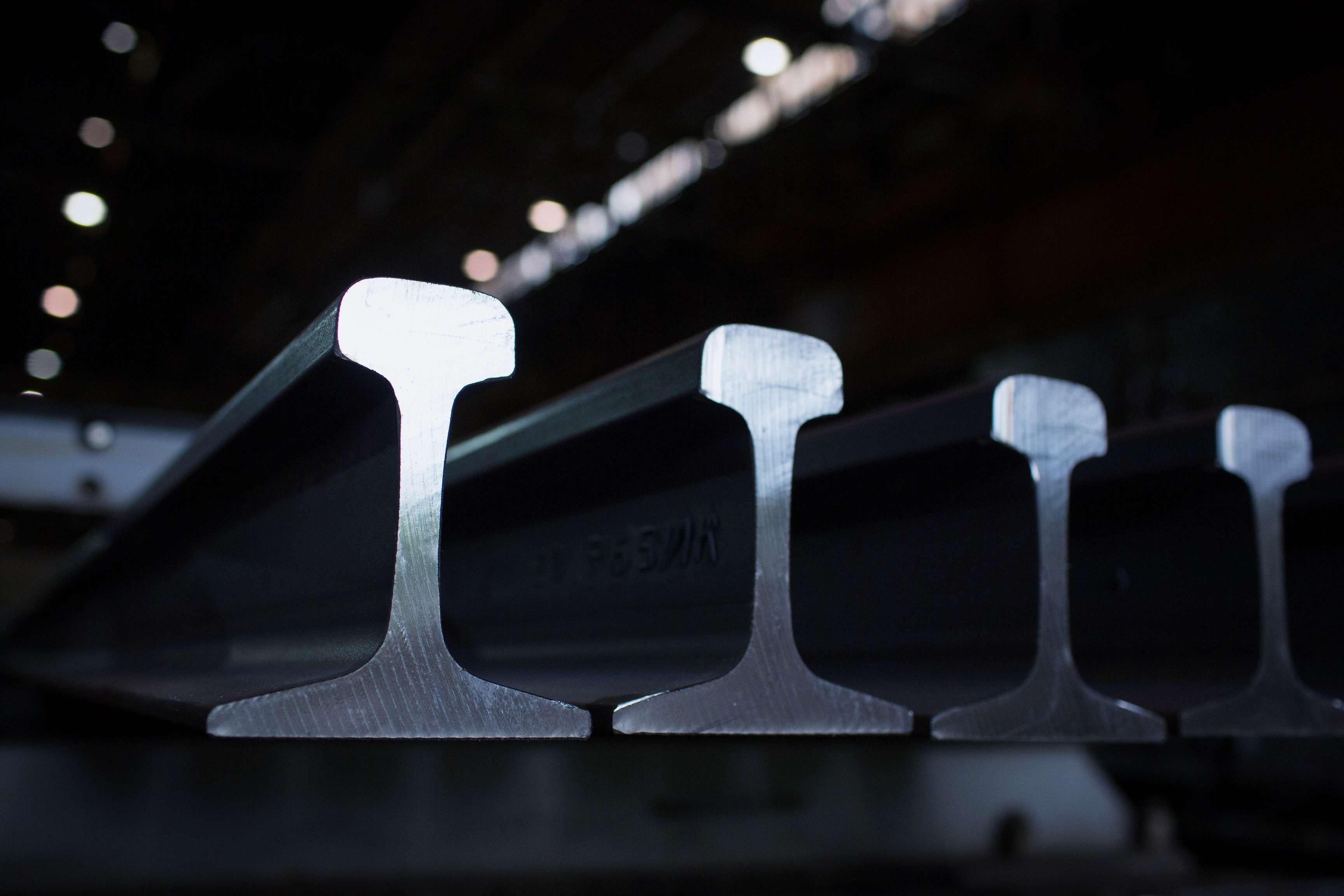
Strong Sectional Rigidity – Supports concentrated wheel forces and repeated operating loads.
Stable Wheel Contact – The rail head provides a consistent running path for rail-mounted equipment.
Effective Force Transfer – The web and base distribute operational forces toward the supporting beam, sleeper, or foundation.
Profile Consistency – Controlled section geometry supports alignment, installation, and fastening accuracy.
Application-Specific Selection – Different profiles and grades can be matched to light, medium, or heavy-duty operating conditions.
| Technical Item | Available Specification |
|---|---|
| Product Category | Steel Track Rail / Industrial Rail / Crane Rail / Heavy Rail / Light Rail |
| Manufacturing Process | Hot rolling |
| Material Grade | Selected according to rail standard and project specification |
| Section Geometry | Head, web and base/foot profile |
| Size Identification | Profile designation and nominal kg/m |
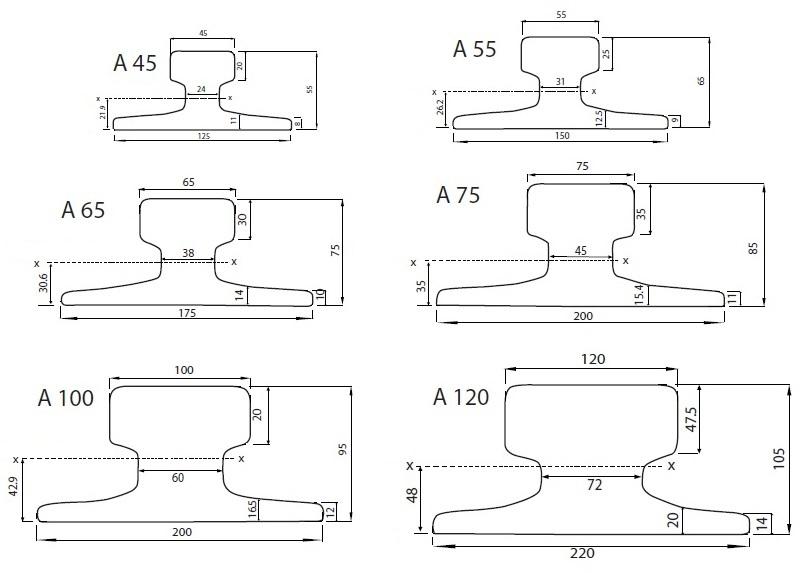
| Dimensions | Rail height, head width, web thickness and base width according to profile |
| Supply Length | Mill standard or project-specific cut length |
| Surface Condition | Natural hot-rolled finish |
| Dimensional Tolerance | According to specified standard or purchase requirement |
| Fabrication Options | Saw cutting, drilling, end preparation and selected custom processing |
| Applicable Standards | GB / EN / UIC / AREMA / JIS or agreed project specification |
| Delivery Form | Bundled project quantities with export-oriented packing available |
Because steel rail dimensions and mechanical requirements vary between standards and profiles, final technical values should always be confirmed against the selected designation, drawing, or purchase specification.

Steel rails are commonly specified by profile designation and nominal mass per meter, together with key section dimensions. Depending on the applicable standard and intended use, requirements may include profiles around 38 kg/m, 43 kg/m, 50 kg/m, 60 kg/m, as well as dedicated light-rail and crane-rail series.
For quotation and product matching, buyers should ideally provide:
Rail designation or section drawing / Standard / Grade / kg per meter / Length / Quantity / Equipment type / Wheel load where available / Processing / Delivery country or port
This information allows the rail section to be matched more accurately to the engineering and purchasing requirements.
Different track systems require different rail geometries. We offer multiple steel rail categories so contractors, fabricators, distributors, and industrial users can source products according to actual operating conditions.
Larger rail sections for demanding track systems, industrial transport, infrastructure, and applications subject to higher wheel loads and frequent operation.
Smaller rail sections for workshops, transfer carts, mine transport, temporary or auxiliary tracks, and other applications where a lighter section is specified.
Suitable for fixed travel systems in manufacturing plants, warehouses, steel processing facilities, fabrication yards, and automated or semi-automated material movement lines.
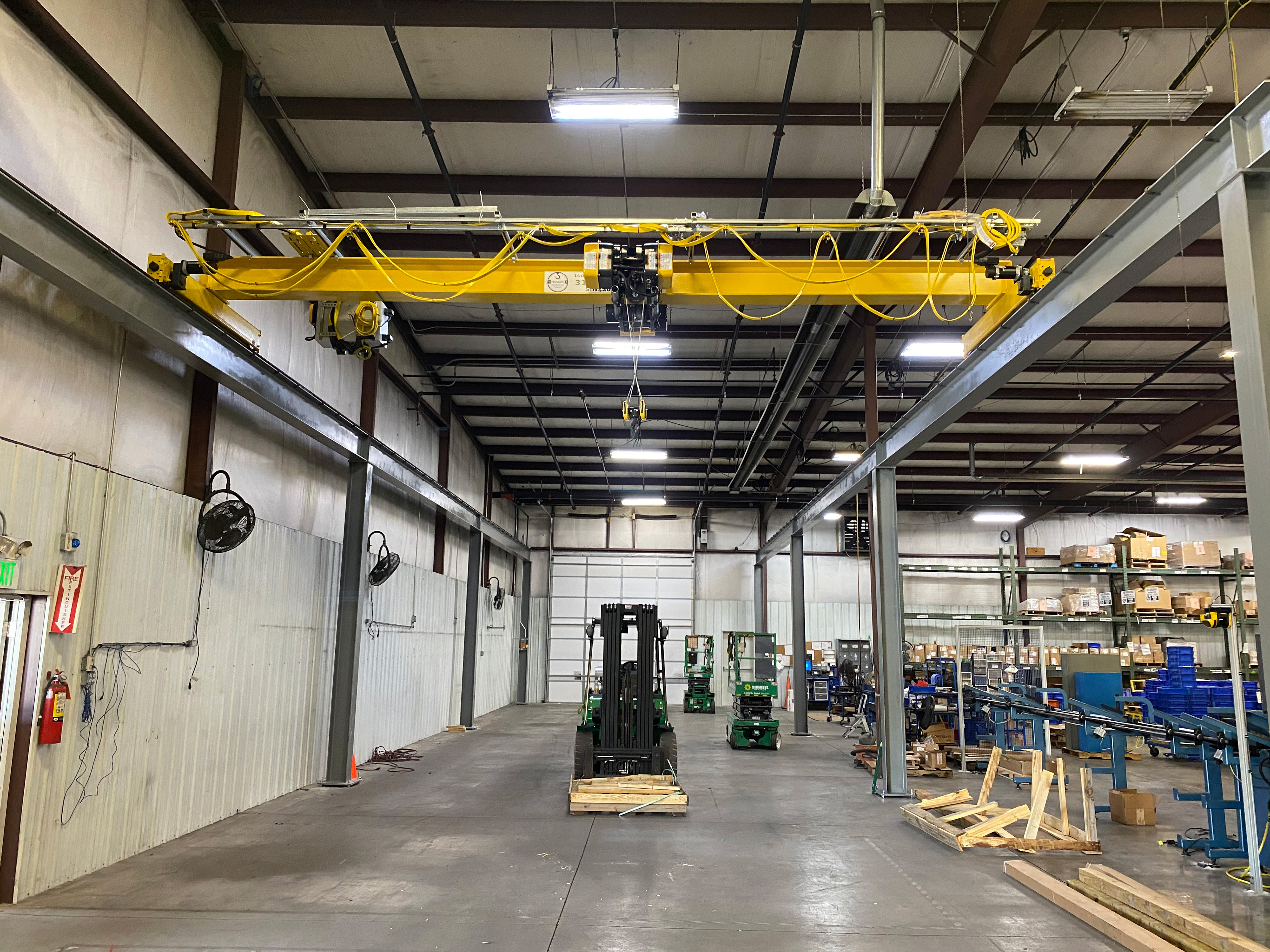
Designed for overhead cranes, bridge cranes, gantry cranes, transfer cranes, and port equipment. Crane rail selection is coordinated with wheel load, crane duty, runway beam design, fixing method, and alignment requirements.


In addition to standard supply, orders can be prepared according to project drawings or material schedules. Depending on the specification, services may include cut-to-length preparation, drilling, identification marking, end treatment, special bundling, and consolidated shipment with other structural steel products.
Steel rails are used wherever controlled linear movement must be combined with structural load support. In steel construction and industrial engineering, typical application areas include:
Steel Structure Buildings – integrated crane runway and handling systems
Factory Workshops – bridge crane and transfer-equipment tracks
Gantry Crane Facilities – outdoor production yards, precast yards, storage areas, and logistics terminals
Manufacturing Lines – rail-guided carts and material-transfer equipment
Steel Plants – heavy industrial transport and handling systems
Warehousing & Logistics – fixed-path cargo and equipment movement
Ports & Shipyards – lifting and handling equipment tracks
Mining Operations – material and equipment transport systems
Infrastructure Works – rail-based engineering and transportation applications


For projects involving more than the rail itself, steel rail procurement can be coordinated with runway beams, structural steel columns, H-sections, steel plates, connection plates, bolts, pipes, and other fabricated steel components. This approach helps reduce multi-supplier coordination and supports more efficient project material planning.
Typical project support can cover:
Bill of materials review
Drawing-based specification matching
Required-length preparation
Selected fabrication and drilling
Product identification and bundling
Export packing and loading coordination
Combined shipment of related steel products
Every project order starts with specification confirmation. Before shipment, supplied steel rails can be checked against the agreed profile, material grade, dimensions, length, quantity, processing details, identification, and packing requirements. Relevant material documentation can be supplied according to the agreed order scope.
Typical control points include:
Section and dimension verification
Length and quantity checking
Surface and straightness inspection
Grade/document review where required
Fabrication and marking confirmation
Packing and loading checks
Third-party inspection requirements can be coordinated for applicable project orders.
Steel Structure Supply Experience – Our focus extends beyond individual steel products. Rail requirements can be coordinated with the supporting steel structure and related project materials.
One-Stop Material Coordination – Customers can combine steel rails with structural sections, fabricated members, plates, pipes, fasteners, and connection components in one purchasing workflow.
Technical Requirement Matching – Quotations can be prepared from rail designations, drawings, BOMs, equipment information, or project specifications.
Flexible Order Configuration – Standard lengths, cut lengths, selected processing, project quantities, marking, and packing can be arranged according to confirmed requirements.
Export Project Coordination – Support is available for specification confirmation, production follow-up, inspection coordination, export packing, container loading, and shipment preparation.
B2B-Oriented Service – Suitable for engineering contractors, steel structure companies, industrial plants, distributors, EPC procurement teams, and international steel buyers.

For faster product matching and pricing, send your rail profile or drawing, standard, material grade, unit weight, required length, quantity, intended application, processing requirements, and destination.
We support project sourcing for steel track rails, industrial rails, crane track rails, heavy-duty rails, light rails, and related structural steel materials for international industrial and construction projects.
content is empty!