Steel Rails are robust steel track sections engineered for reliable load transfer and smooth movement of rail-mounted equipment in construction and industrial environments. With high strength, good wear performance, and stable sectional geometry, they are well suited to demanding track systems requiring durability and consistent operation.
Our steel rail range supports steel structure workshops, overhead and gantry crane runways, industrial transportation systems, ports, warehouses, mining facilities, and infrastructure projects. A variety of rail profiles, grades, unit weights, and lengths can be supplied to suit different load and installation requirements. Project-based customization, processing, bulk orders, and international supply are available.
| Availability: | |
|---|---|
| Quantity: | |
ZSJH
Steel Rails are specialized rolled steel products used to form durable running tracks for rail-guided vehicles, lifting equipment, transfer systems, and industrial machinery. The engineered rail section combines a hardened running area with a load-transmitting web and stable foot, allowing forces from moving equipment to be transferred efficiently into the supporting structure.
For steel structure and industrial projects, rail selection should consider wheel load, rail section, nominal weight, steel grade, operating frequency, supporting beam or foundation, fastening method, and applicable technical standard. Choosing the correct combination improves track stability, installation compatibility, and service performance.
We supply steel rail products for crane runways, industrial tracks, material-handling systems, workshops, warehouses, ports, mining facilities, and infrastructure projects, with multiple profiles and project-specific supply options available.
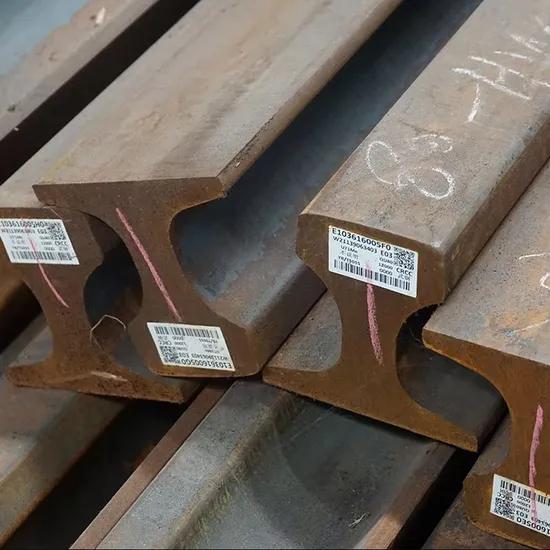
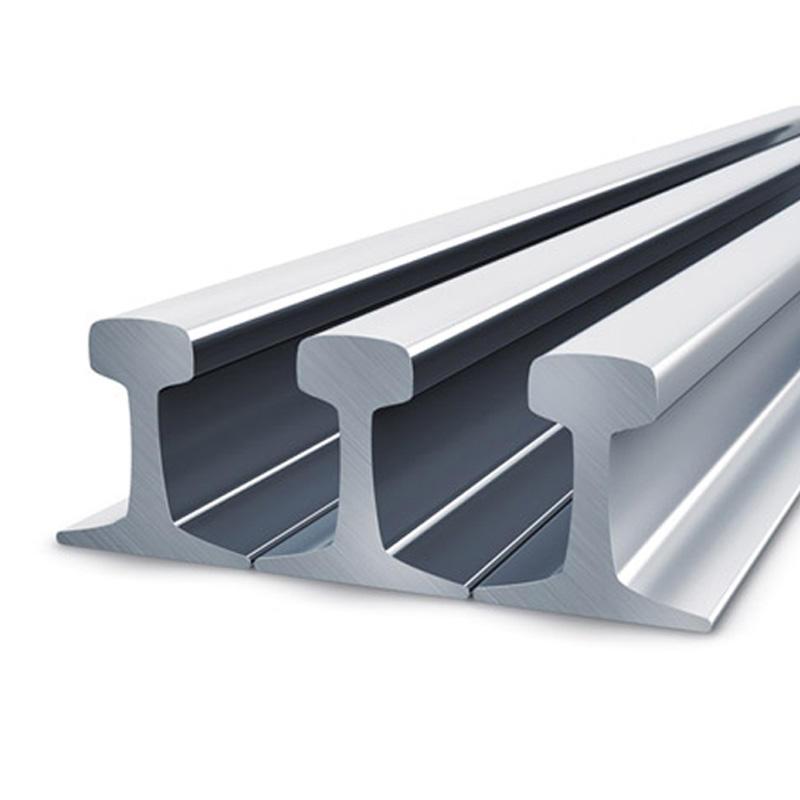
Reliable Load Capacity – Rail sections can be selected for different wheel loads and operating conditions.
Wear-Resistant Running Surface – Suitable material grades help maintain dependable performance under repeated wheel contact.
Stable Section Design – The rail profile supports effective force transmission and track alignment.
Engineering Compatibility – Profiles can be matched with crane beams, foundations, fastening systems, and project drawings.
Long-Term Industrial Use – Suitable for continuous or repeated operation in demanding industrial environments.
| Parameter | Supply Information |
|---|---|
| Product | Steel Rail / Track Rail / Rail Section |
| Production Method | Hot Rolled |
| Material | Rail steel or specified carbon steel grade |
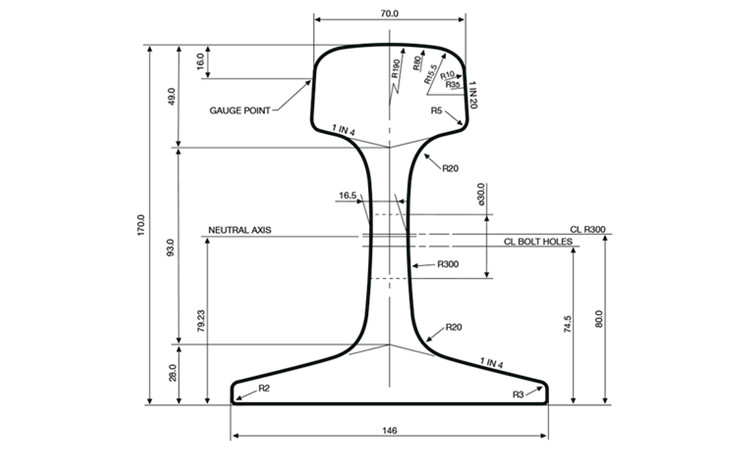
| Cross Section | Rail Head + Web + Foot/Base |
| Profile | Available according to required rail series and standard |
| Unit Mass | Multiple kg/m options depending on profile |
| Length | Standard mill length or cut-to-length supply |
| Surface | As-rolled / mill finish |
| Tolerance | According to applicable standard or agreed specification |
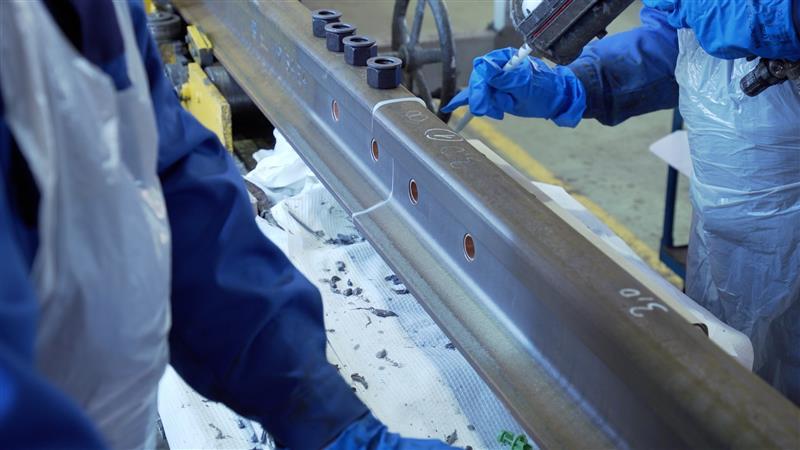
| Processing | Cutting, drilling, end preparation and selected fabrication |
| Standards | GB, UIC, EN, AREMA, JIS and project-specified standards |
| Packaging | Bundled or project-specific export packing |
Technical values vary by rail profile and standard. Material grade, dimensions, tolerances, mechanical properties, and inspection requirements should be confirmed against the final purchase specification.

Steel rail size is normally defined by its profile designation, rail height, head width, web thickness, foot width, cross-sectional area, and nominal mass per meter. Common requirements can include 38 kg/m, 43 kg/m, 50 kg/m, 60 kg/m, as well as other industrial and crane rail profiles depending on the project.
To identify the correct rail efficiently, please provide:
Profile or Drawing / Standard / Unit Weight / Steel Grade / Length / Quantity / Wheel Load or Application / Processing Requirements / Destination
For crane runway and industrial track projects, equipment data and supporting-structure drawings can also help with specification confirmation.
Our steel rail range covers different operating loads and industrial track configurations. Products can be selected according to the equipment, track system, project standard, and installation environment.
Designed for track systems requiring greater section capacity and durability under relatively high wheel loads. Heavy rails are commonly specified for demanding transportation and industrial applications.
Suitable for lighter-duty track systems, plant transportation, workshop transfer lines, mining applications, and selected rail-mounted equipment.
Used in manufacturing plants, fabrication yards, warehouses, steel mills, logistics facilities, and material-handling systems where equipment travels along a fixed rail path.
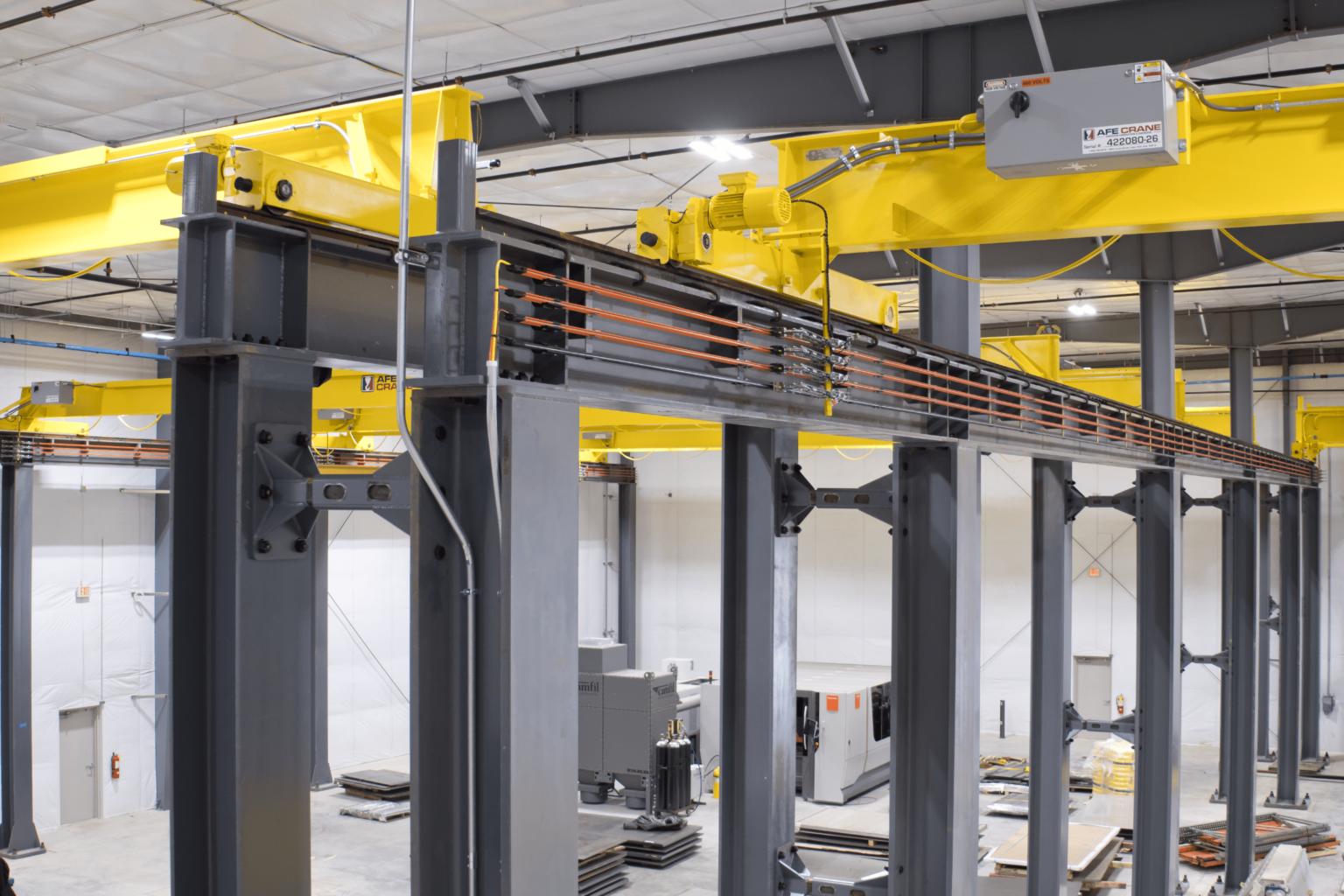
Used with overhead cranes, bridge cranes, gantry cranes, and port handling equipment. Rail selection is normally coordinated with crane wheel load, runway beam design, fastening arrangement, and operating duty.

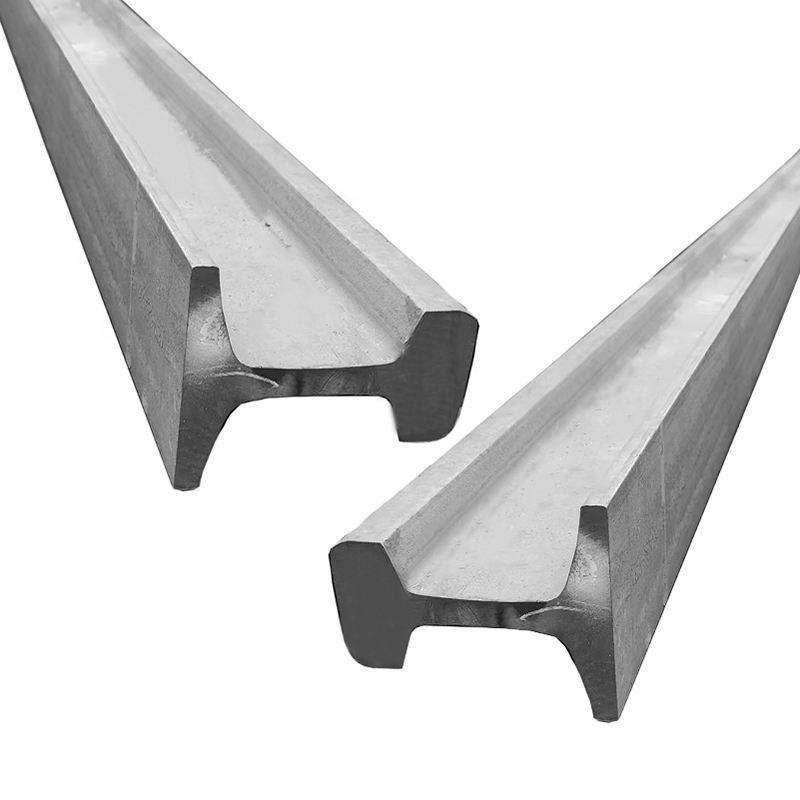
A rail section is generally composed of three principal areas:
Head – Provides the running and wheel-contact surface.
Web – Transfers loads between the head and base while contributing to section strength.
Foot / Base – Provides the bearing and fastening surface connecting the rail to its supporting structure.
The proportions of these areas vary between rail series to suit different load levels and installation systems.
Steel rails are widely integrated into steel structure and industrial engineering projects where equipment or vehicles require a fixed and durable travel path. Typical applications include:
Steel Structure Workshops – crane runway and material-transfer systems
Overhead & Bridge Cranes – rail installed on steel runway beams
Gantry Crane Systems – ground-supported crane travel tracks
Manufacturing Plants – production and material-handling equipment
Steel Mills & Fabrication Yards – heavy industrial movement systems
Warehouses & Logistics Centers – rail-guided handling applications
Ports & Terminals – crane and cargo-handling tracks
Mining & Material Transport – industrial transport lines
Infrastructure Projects – selected railway and track construction
Steel rails can be supplied as standard mill products or processed according to drawings and installation requirements. This helps reduce additional preparation work before site installation.
Processing options can include:
Fixed-length cutting
Hole drilling where specified
End preparation
Drawing-based processing
Marking and identification
Bundling and export packing
Project-based quantity organization
Steel rails may also be coordinated with structural steel beams, columns, plates, fasteners, connection components, and other steel materials required for the same project.
Before delivery, steel rail orders can be verified against the approved specification and purchase requirements. Depending on the project and applicable standard, inspection may cover material documentation, dimensions, surface condition, straightness, length, quantity, processing, and packing.
Key checks may include:
Rail profile and dimensional verification
Material grade and documentation review
Surface condition and straightness checks
Length and quantity confirmation
Processing and marking verification
Pre-shipment packing inspection
Third-party inspection can be discussed when specified in the contract or project requirements.
Steel Structure Project Support – We understand rail products as part of the wider structural system, including runway beams, supporting steelwork, connection components, and installation requirements.
Multi-Product Procurement – Steel rails can be supplied together with structural steel members, H-sections, plates, pipes, bolts, and connection materials, helping customers consolidate project purchasing.
Specification-Based Quotation – We can quote according to rail profiles, technical drawings, material lists, standards, quantities, and project-specific requirements.
Flexible Processing – Customized lengths, cutting, drilling, selected fabrication, marking, and packing can be arranged according to confirmed specifications.
International Supply Support – Our team supports overseas orders from technical communication and quotation through production coordination, inspection, export packing, container loading, and shipment preparation.
B2B & Project Supply – Suitable for steel structure contractors, engineering companies, industrial end users, distributors, and procurement teams sourcing steel materials for project use or resale.


For a precise quotation, send us your rail profile or drawing, applicable standard, steel grade, unit weight, required length, quantity, application, processing requirements, and delivery destination.
We can help match the required steel rail, industrial track rail, crane runway rail, light rail, or heavy rail to your project specifications and purchasing requirements.
content is empty!