:sales@zsjhsteelgroup.com WhatsApp:+86-15122582058







| Quantity: | |
|---|---|


ZSJH
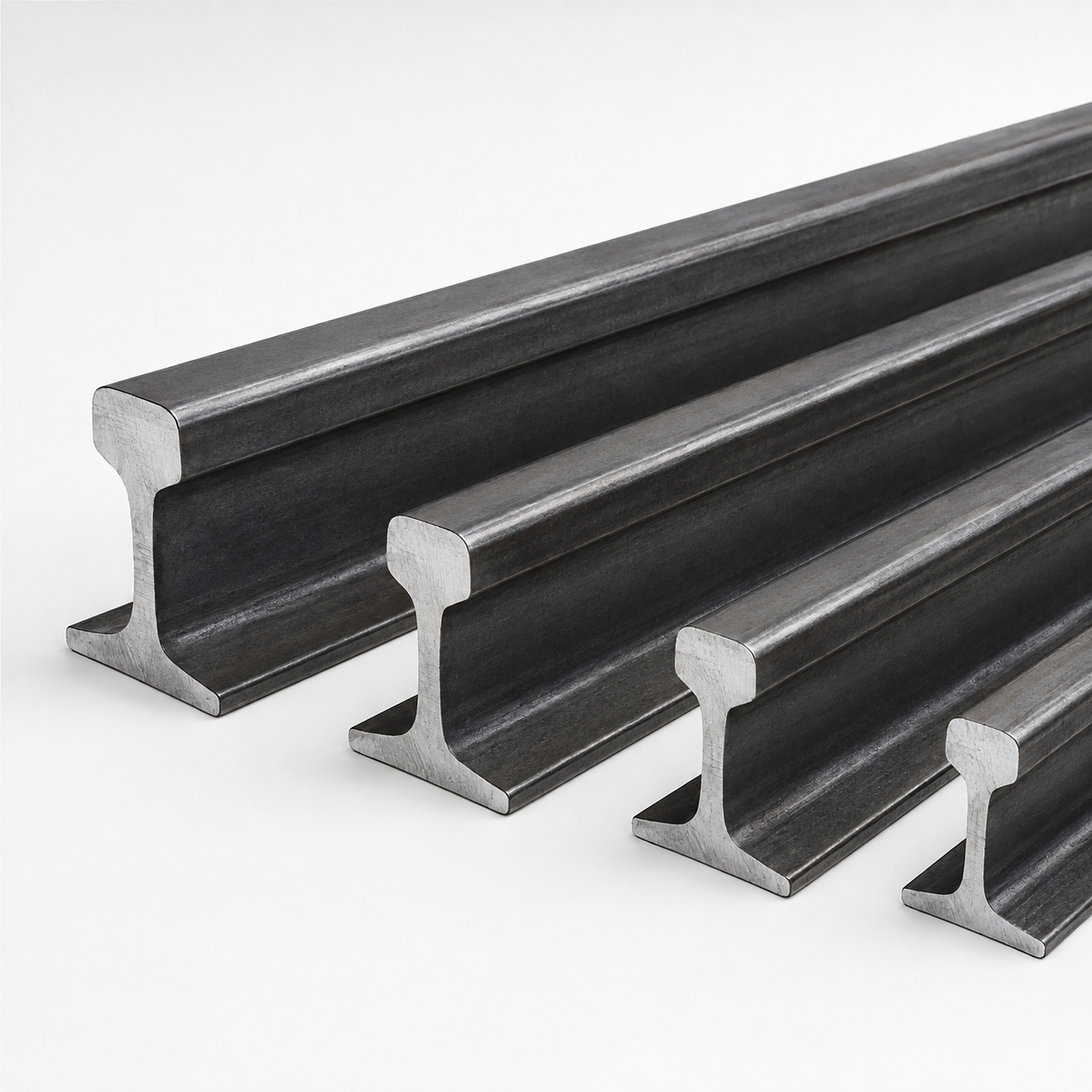
ZSJH Steel supplies various types of railway rails, heavy rails, light rails, and industrial crane rails for transportation, industrial, mining, port, warehouse, and construction applications.
Different rail sections, lengths, grades, and standards can be supplied according to customer project requirements. Customized cutting, drilling, machining, and export packaging services are also available.
| Item | Specification |
|---|---|
| Product Name | Steel Rail |
| Material | Carbon Steel / High-Strength Rail Steel |
| Product Type | Light Rail / Heavy Rail / Crane Rail / Railway Rail |
| Length | Customized According to Project Requirement |
| Surface | Black / Mill Finish |
| Section | Standard Rail Profile |
| Processing | Cutting, Drilling, Machining |
| Standards | ASTM / EN / JIS / GB / Project-Specified Standards |
| Application | Railway, Crane, Mining, Industrial Track |
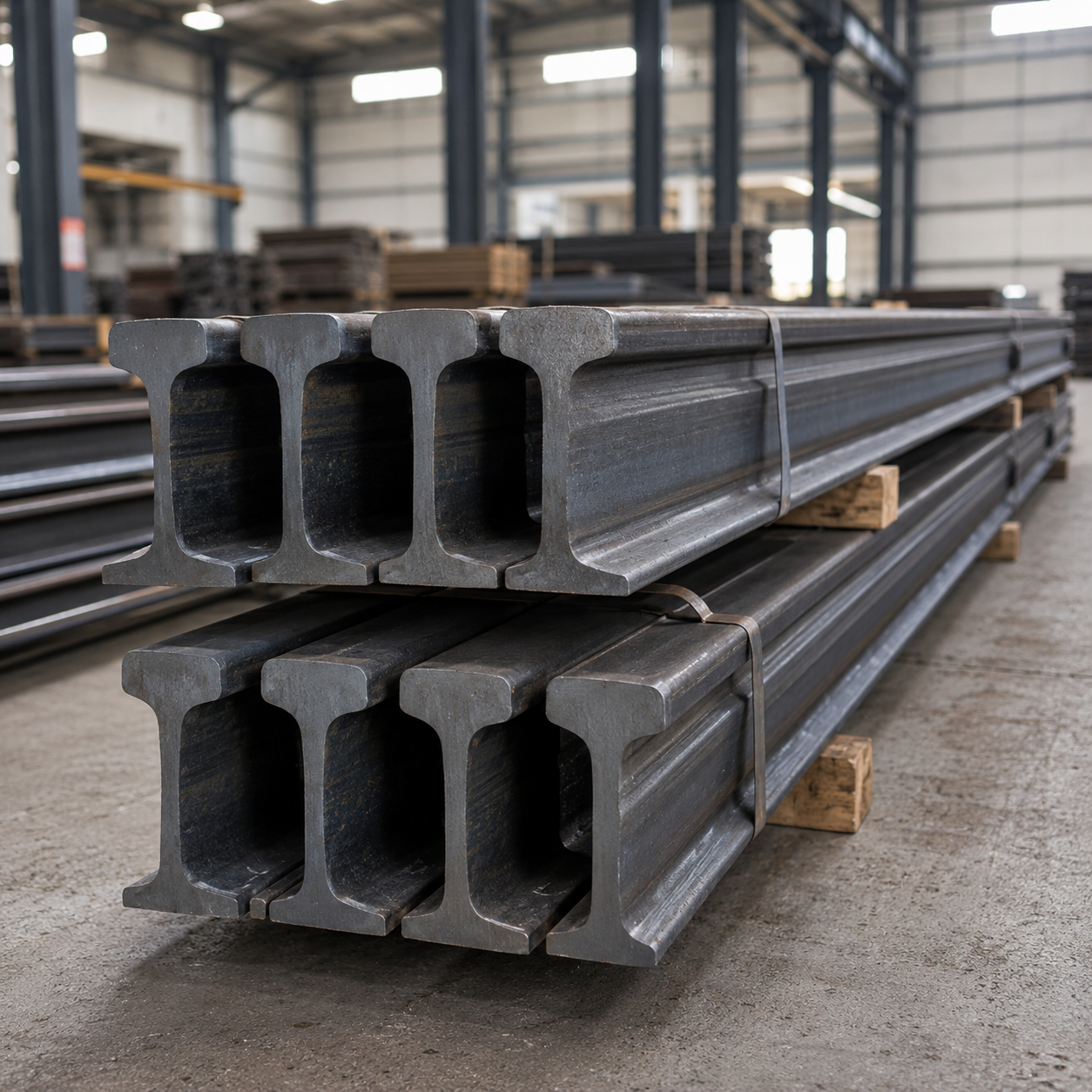
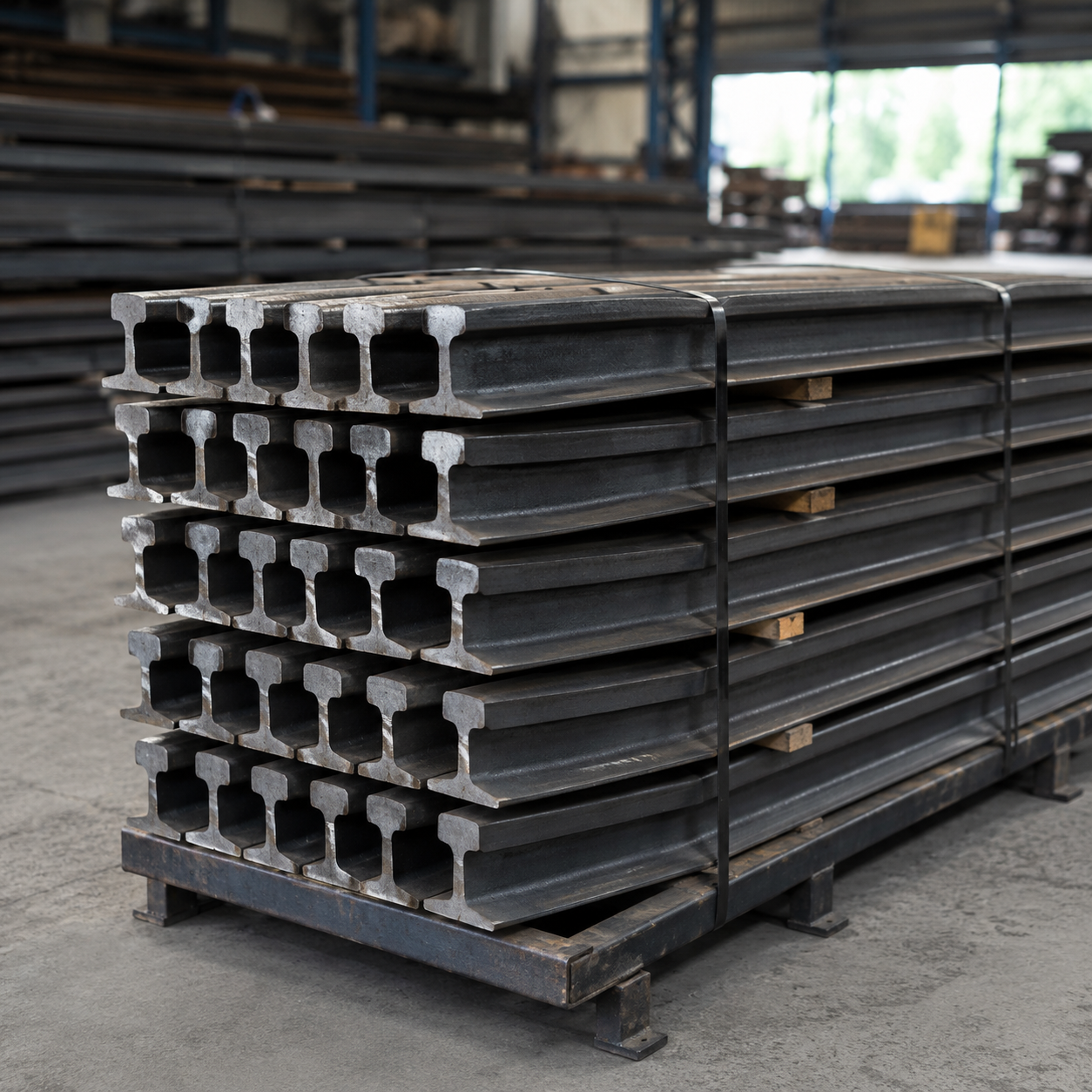
| Packaging | Bundled / Standard Export Packaging |
| Customization | Available |
| Inspection | Dimensional and Surface Inspection |
Heavy steel rails are designed for applications requiring high load-bearing capacity and durability. They are commonly used for railway systems, industrial transport tracks, mining operations, and heavy-duty material handling.
Light rails are generally used for lighter transportation systems such as mining tracks, temporary rail systems, factory transport lines, and small industrial vehicles.
Crane rails are used to guide overhead cranes, gantry cranes, port cranes, and heavy material handling equipment. They are designed to withstand concentrated wheel loads and frequent crane movement.
Railway rails are used as the primary running surface for trains and railway vehicles. Different rail profiles and grades can be selected depending on axle load, operating speed, and project standards.
A standard steel rail profile generally consists of three main parts:
The upper portion of the rail that directly contacts the wheel. It is designed to withstand repeated rolling contact and wear.
The vertical middle section connecting the rail head and foot. It transfers loads from the rail head to the base.
The lower section of the rail that provides stability and distributes load to sleepers, rail supports, or structural foundations.
Steel rails are widely used in:
Railway Systems
Industrial Rail Tracks
Overhead Crane Systems
Gantry Cranes
Port Crane Tracks
Mining Railways
Factory Material Handling Systems
Warehouse Crane Systems
Steel Mills
Shipyards
Container Terminals
Construction Sites
Logistics Centers
Heavy Machinery Tracks
We can provide additional processing according to project drawings or technical requirements, including:
Rail Cutting
Drilling
Bolt Hole Processing
End Machining
Custom Length Cutting
Steel Plate Fabrication
Welding of Supporting Components
Base Plate Fabrication
Crane Beam Fabrication
Custom Steel Structure Components
This allows customers to purchase both rails and related structural components from one supplier.
We supply steel rails together with structural steel materials and fabricated steel components for industrial and construction projects.
Rail types, sections, lengths, grades, and processing can be selected according to project requirements.
Cutting, drilling, machining, steel fabrication, and supporting component manufacturing are available.
Rail dimensions, surface condition, processing accuracy, and packaging can be inspected before shipment.
Steel rails can be bundled and packaged according to international transportation and loading requirements.
We can support contractors, importers, distributors, industrial companies, steel structure companies, and project owners with customized steel supply solutions.
Steel rails are generally manufactured from high-strength carbon or alloy rail steel designed to provide load-bearing capacity, wear resistance, and durability.
We can supply railway rails, heavy rails, light rails, crane rails, and other rail sections according to customer requirements.
Yes. Crane rails can be supplied for overhead cranes, gantry cranes, port cranes, industrial workshops, warehouses, and other heavy material handling systems.
Yes. Rails can be cut according to required dimensions and project drawings.
Yes. Hole drilling and other machining services can be provided according to technical drawings.
Rail selection normally depends on wheel load, axle load, operating frequency, equipment type, track design, required rail section, and applicable project standards.


