:sales@zsjhsteelgroup.com WhatsApp:+86-15122582058


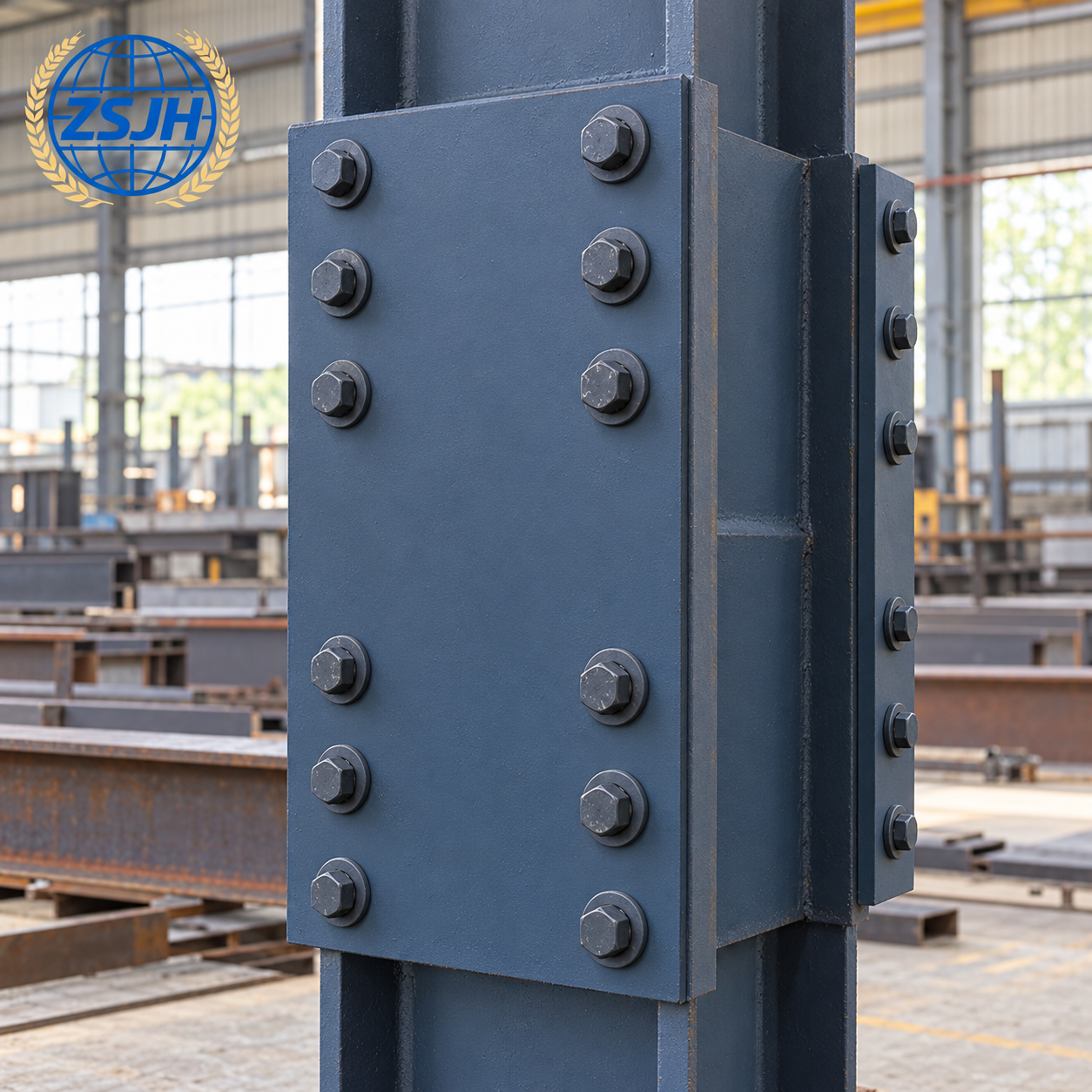

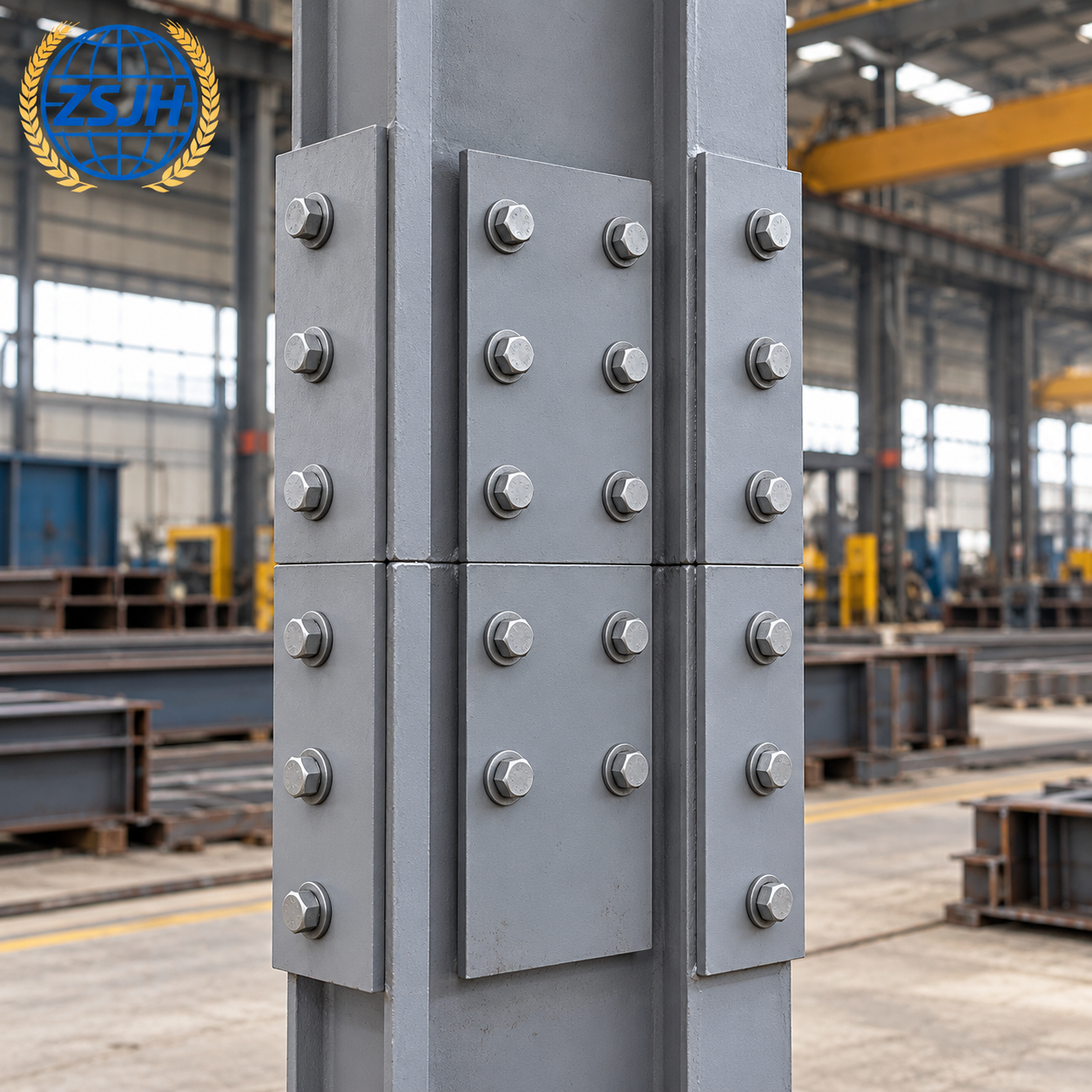


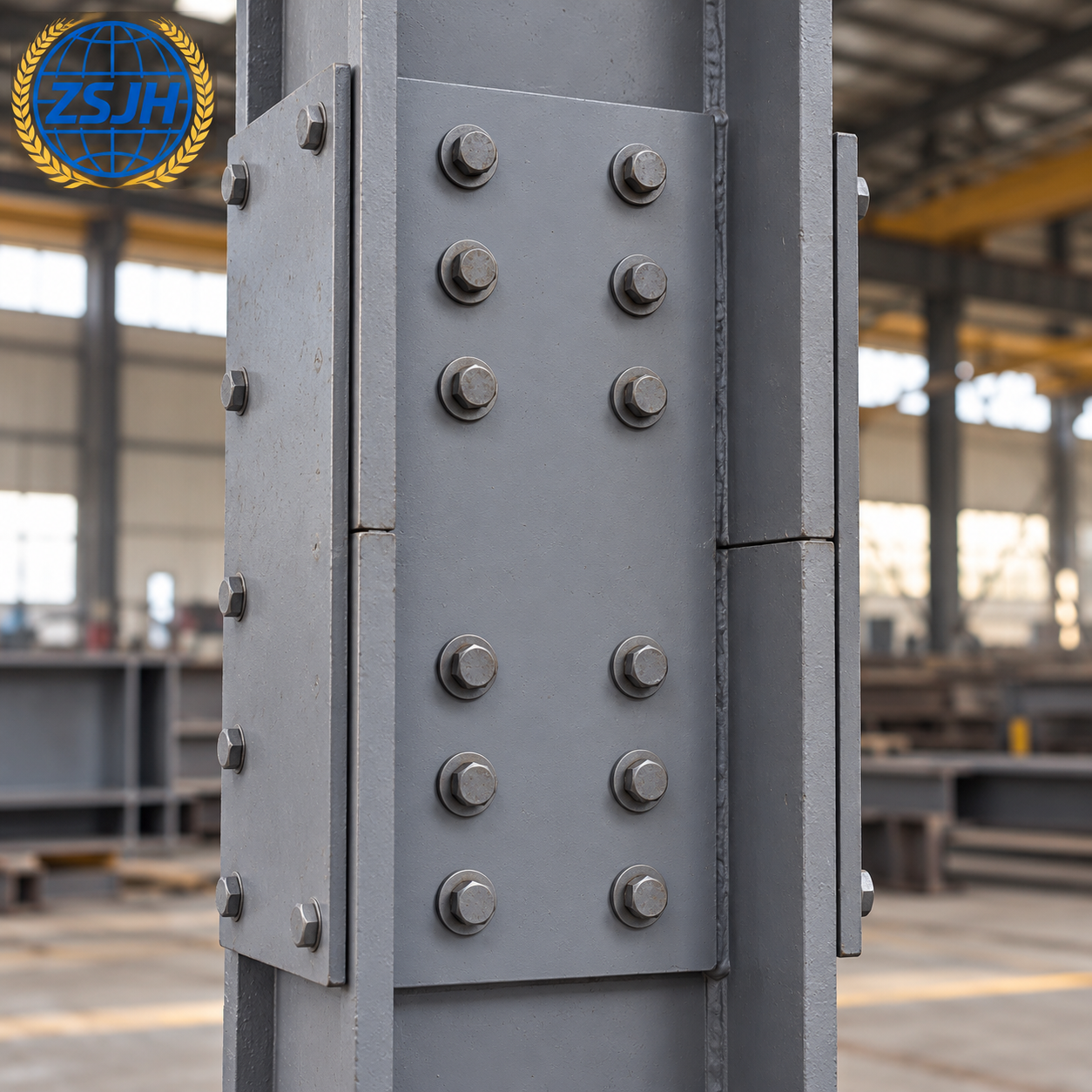

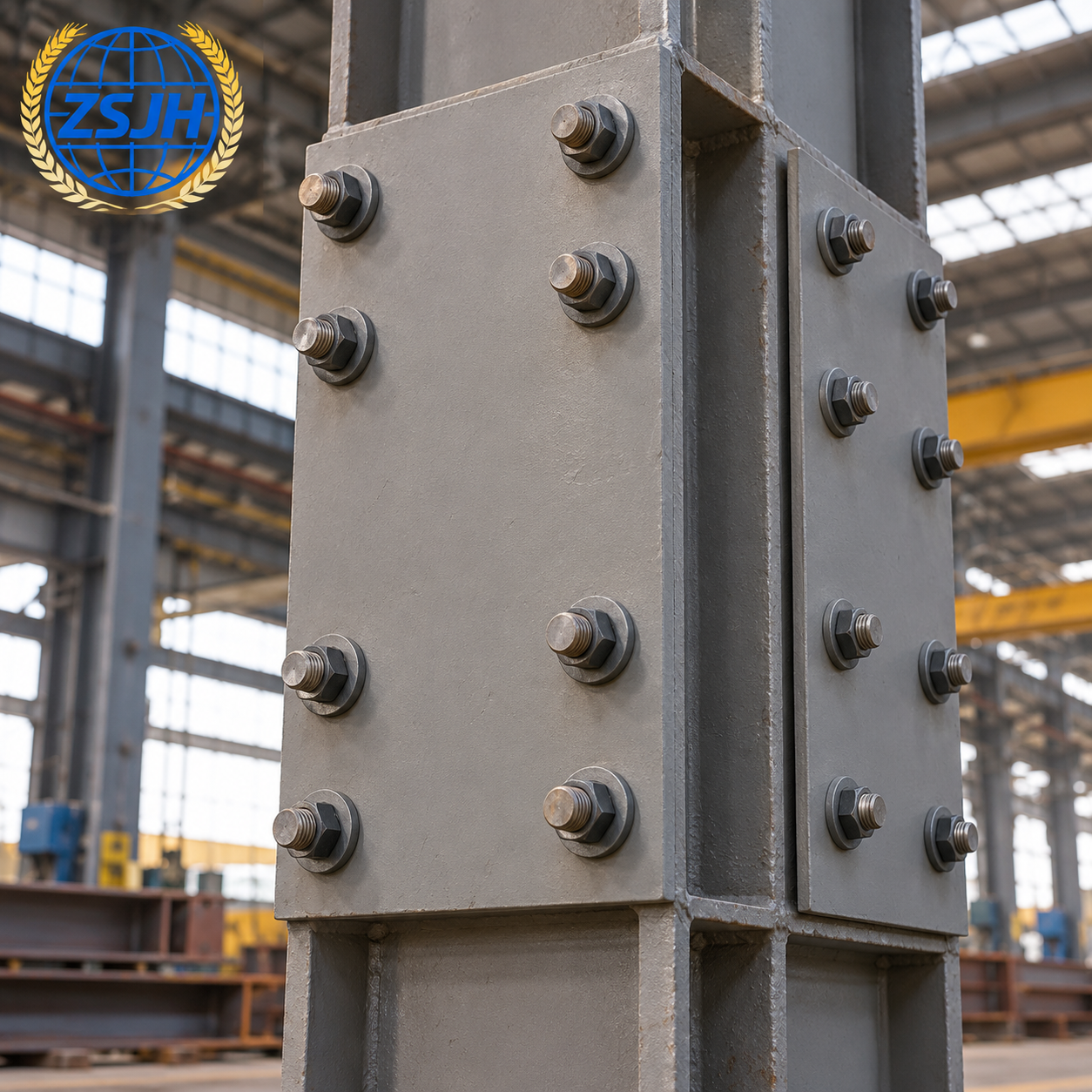

ZSJH STEEL supplies custom bolted column splice connections for joining vertical steel column segments in multi-storey buildings and industrial structures. Fabricated to approved project drawings, the assemblies feature flange and web splice plates with coordinated bolt hole patterns, supporting accurate alignment, segmented transportation, and efficient on-site assembly.
| Quantity: | |
|---|---|


ZSJH
ZSJH STEEL supplies customized bolted column splice connections for joining upper and lower steel column segments in multi-storey buildings and industrial structures. Fabricated according to approved project drawings, these assemblies coordinate column interfaces, splice plates, and bolt hole patterns to support accurate fit-up and practical site installation.
The supply scope can include prepared column segments, flange splice plates, web splice plates, and specified fastener sets. Connection configurations, material grades, plate thicknesses, and inspection requirements are confirmed for each project. Clear component identification and coordinated packing help installation teams locate matching parts and assemble the connections in the planned sequence.
Bolted column splice connections are used where steel columns are divided into separate shipping or erection lengths. They allow column segments to be manufactured, transported, and handled within project constraints while providing the connections required by the structural design.
Typical applications include:
Multi-Storey Steel Buildings: Column connections between erection stages in commercial buildings, apartments, offices, and mixed-use developments.
Industrial Workshops: Segmented columns supporting production buildings, equipment areas, and associated structural framing.
Warehouses and Logistics Buildings: Column splices where building height, transport limits, or erection planning require separate sections.
Industrial Platforms and Equipment Structures: Vertical member connections in multi-level operating and maintenance structures.
Building Extensions: Connections associated with approved modifications or additional construction stages.
Splice locations and arrangements depend on structural forces, member sizes, floor levels, installation access, and the erection sequence. The connection must accommodate the specified combination of axial force, bending, and shear. ZSJH STEEL fabricates the components to the approved connection details, with fabrication questions clarified before production.
The upper and lower column ends are prepared to the dimensions, orientation, and end conditions shown in the project drawings. Interface checks cover section size, end alignment, straightness, and the relationship between the column ends and connection holes.
Where the design requires direct bearing between column ends, end preparation and contact requirements are followed accordingly. Where a specified gap is required, the assembly is prepared to that detail. Bearing conditions, permitted gaps, and erection tolerances are project-specific and should be established before fabrication.
For columns with different section sizes or thicknesses, transition details, packing plates, or other components are supplied only as specified in the approved design.
Flange splice plates bridge the upper and lower column segments at the column flanges. Their width, length, thickness, and bolt arrangement are selected through the connection design. Inner and outer plate arrangements can be fabricated where required, with attention to tool access and adjacent components.
Web splice plates connect the column webs using the specified single-sided or double-sided arrangement. Plate edges, hole positions, and clearances are coordinated with the column section and flange details.
Each splice plate extends across the column interface as detailed in the drawings. Plate quantities and identification marks are matched to the relevant column assembly to reduce confusion during installation.
Bolt hole diameter, spacing, edge distances, and alignment are controlled according to the approved details. Standard, oversized, or slotted holes are provided only where specified. Hole preparation includes removing burrs that could interfere with fit-up or contact between components.
Bolt grade, diameter, length, washers, and nuts must suit the connection requirements. Fastener sets can be included within the agreed supply scope. Their selection considers the complete connected thickness and the specified installation method.
Column marks, orientation references, and matching plate labels help distinguish upper and lower segments and identify the correct installation direction. Where required, positioning references can indicate column axes, connection faces, or assembly orientation.
Accurate fabrication supports site positioning, while final verticality, level, temporary restraint, and bolt installation remain part of the approved erection procedure. Temporary erection aids or locating components can be incorporated when included in the project drawings and supply agreement.
Production begins with a review of the approved fabrication drawings, component schedule, and connection requirements. Particular attention is given to column orientation, splice elevation, plate arrangement, bolt access, and the relationship between matching upper and lower segments.
The processing sequence typically includes:
Material Preparation: Column sections and plates are selected according to the specified grades and dimensions, with material identification maintained through fabrication.
Cutting and End Preparation: Column segments and splice plates are cut to the required sizes. Additional end preparation is performed where the design specifies bearing surfaces or particular end conditions.
Hole Processing: Connection holes are produced using suitable drilling or other approved methods, followed by dimensional checks and deburring.
Component Fabrication: Specified stiffeners, attachments, or erection components are fitted and welded where included in the drawings.
Fit-Up Checks: Plate orientation, hole alignment, and matching column interfaces are checked before surface treatment and packing.
Marking: Column segments and loose plates receive identification references corresponding to the approved drawings and packing list.
Processing allowances and coating requirements are considered together so that finished components remain suitable for assembly. Changes affecting connection geometry are referred for clarification rather than introduced during fabrication without approval.
Inspection requirements are established according to the contract, approved drawings, and project specifications. Checks focus on the characteristics that affect material conformity, connection fit-up, and the condition of delivered components.
Material verification reviews the available material documentation and component identification against the specified steel grades and sizes. Fastener documentation is checked where bolts, nuts, and washers are included in the supply.
Dimensional inspection covers column lengths, section orientation, end preparation, splice plate dimensions, hole diameters, hole spacing, and relevant interface tolerances. Matching components are checked for consistency with their assembly references.
Weld inspection applies to welded attachments and fabricated column components within the supply scope. Visual inspection and any specified non-destructive testing follow the project requirements.
Trial assembly can be arranged when required to check selected column interfaces, plate placement, and bolt hole alignment. Its extent is agreed in advance, particularly for repetitive assemblies or connections with demanding fit-up requirements.
Surface inspection checks preparation condition, coating appearance, and dry film thickness where applicable. Required inspection records are organized according to the agreed documentation scope.
Column segments, flange plates, web plates, and hole patterns are treated as parts of one assembly. This coordination helps maintain consistency between factory production and the installation drawings.
Fabrication can accommodate different column sections, splice elevations, plate arrangements, and fastener requirements. The scope is defined around the approved project details rather than a single standard connection configuration.
Drawing review considers practical issues such as plate orientation, bolt insertion, washer placement, and tightening access. Identifying these issues before production helps reduce avoidable site adjustments.
Matching marks, organized loose-part packing, and assembly-based packing lists help customers receive, sort, and distribute components. Packing can be coordinated with the planned erection sequence where agreed.
Surface treatment is selected according to the exposure conditions, coating specification, connection design, and delivery requirements. Available arrangements may include blast cleaning and protective paint systems, with galvanizing considered where suitable for the components and project.
For painted assemblies, surface preparation, primer compatibility, subsequent coats, and required film thickness are defined before application. Contact surfaces receive particular attention because their condition can affect the intended connection behavior.
For slip-resistant connections, faying surfaces must satisfy the specified preparation and coating requirements. These surfaces are not automatically treated in the same way as exposed steel. Masking or separate preparation may be necessary according to the approved specification.
Bearing ends, bolt holes, and identification marks are protected or maintained as required. Site touch-up requirements should also be coordinated with the selected coating system.
Packing is planned around component size, weight, surface finish, and the intended unloading method. Column segments are supported and secured to reduce movement during handling and transport, with suitable separation between coated surfaces.
Splice plates are bundled, crated, or otherwise secured according to their dimensions and shipment requirements. Fasteners, when supplied, are packed in labeled containers identifying the relevant sizes, quantities, or assembly references.
Packing lists distinguish column segments from loose connection components and support checking on arrival. Where agreed, shipment grouping follows erection zones or installation stages.
Transport dimensions and lifting considerations are reviewed before dispatch. Customers should use the approved lifting and erection arrangements during unloading and installation, maintaining component identification until each connection is assembled.


